
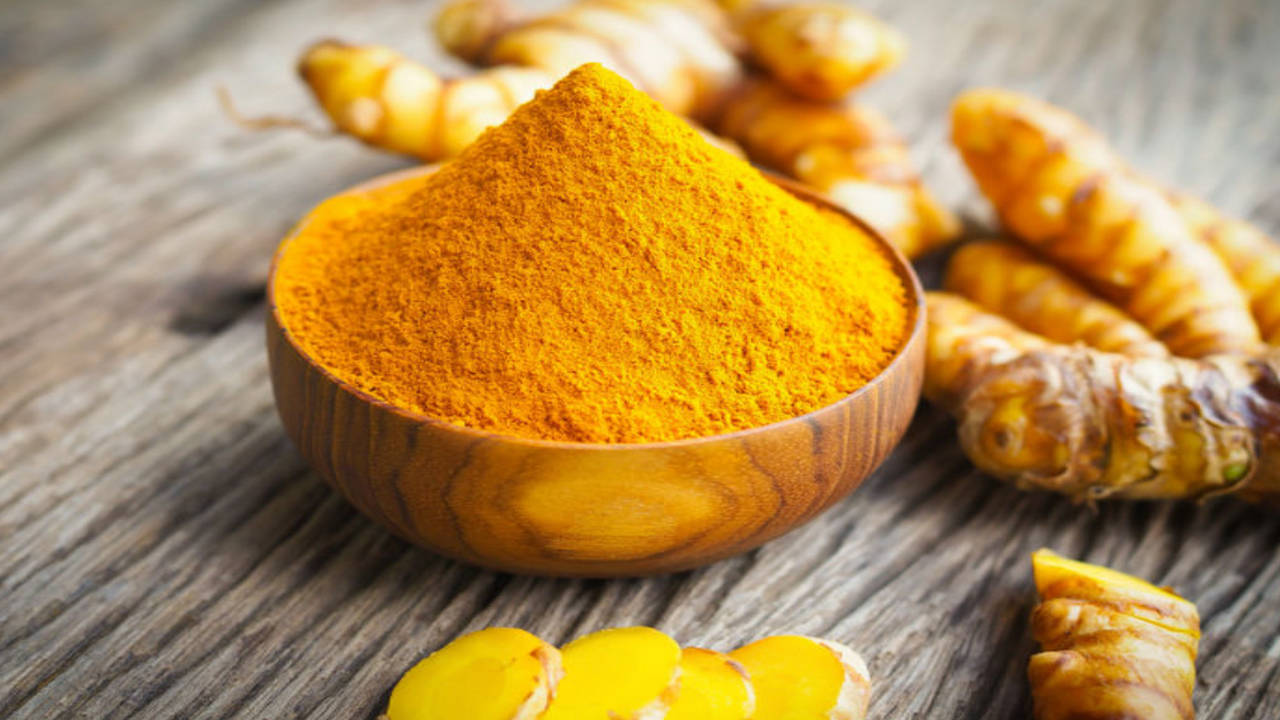
Turmeric is a bright yellow spice derived from the root of the Curcuma longa plant, which is native to Southeast Asia. It has a warm, earthy flavor with a slightly bitter undertone and is widely used in cooking, particularly in Indian, Middle Eastern, and Southeast Asian cuisines.
In addition to its culinary uses, turmeric has been valued for its medicinal properties for centuries. It contains curcumin, a compound with potent antioxidant and anti-inflammatory properties, which is believed to offer various health benefits.
Turmeric is commonly used in both powdered and fresh forms. The powdered form is made by drying the turmeric root and grinding it into a fine powder, while the fresh form involves grating or chopping the fresh turmeric root.
In cooking, turmeric is often used as a coloring and flavoring agent, adding a vibrant yellow hue to dishes such as curries, rice, soups, and stews. It is also a key ingredient in spice blends like curry powder and is used to marinate meats and vegetables.
Outside of the kitchen, turmeric is used in traditional medicine practices, skincare products, and even as a natural dye. It has gained popularity in recent years for its potential health benefits and is often consumed in the form of turmeric supplements or added to beverages like turmeric lattes or golden milk.
Overall, turmeric is a versatile spice with a rich history and a wide range of culinary and medicinal uses. Its distinct flavor, vibrant color, and potential health benefits make it a valuable addition to any kitchen.